Choosing the Right Time for Best Painting Outcomes
The timing of a painting project can significantly affect its quality and longevity. Painting your home’s exterior at the right time ensures optimal adhesion and durability, protecting your investment in the long run. Factors such as weather conditions and material compatibility play a crucial role in determining the best season for painting. Understanding these elements will help you make informed decisions about your next painting project.
The Impact of Weather on Paint Performance
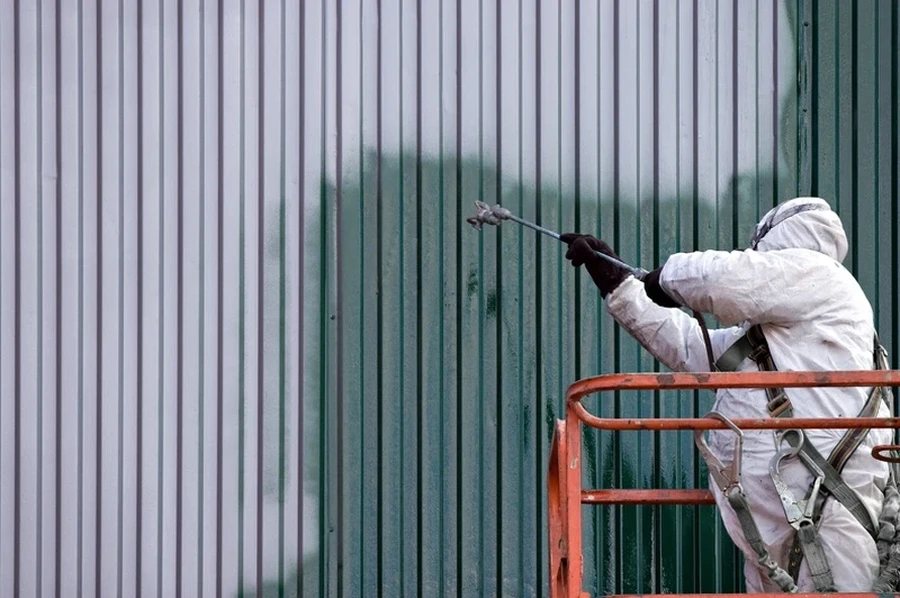
Weather is one of the most critical factors to consider when planning a painting project. Temperature fluctuations, humidity, and precipitation can all influence paint drying times and overall application quality. For instance, high humidity levels can cause paint to dry slowly, leading to issues like uneven textures or streaks. On the other hand, excessively hot conditions can cause the paint to dry too quickly, preventing proper bonding with the surface.
Ideal Seasons for Scheduling Projects
Late spring and early fall are often considered the best times for exterior painting. During these seasons, temperatures are typically moderate, providing ideal conditions for paint to cure properly. Additionally, there’s usually less rain compared to summer months, reducing the risk of moisture interfering with the painting process. Planning your project during these windows can help ensure smooth application and lasting results.
Considerations for Different Climates
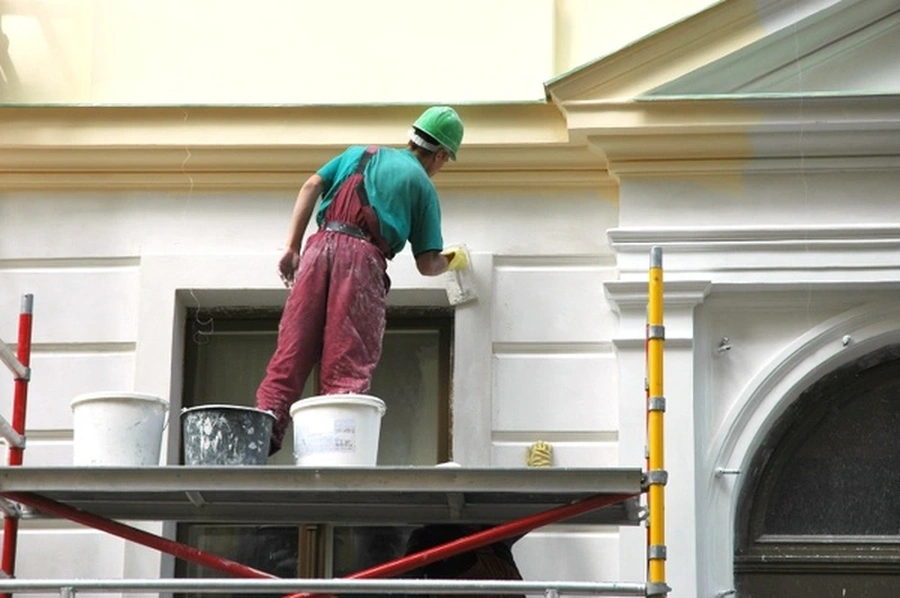
While late spring and early fall are generally favorable for most regions, specific climates may require different timing considerations. In areas with extreme heat, such as deserts, it’s better to schedule projects during cooler parts of the year. Conversely, residents in colder regions might find summer to be the only viable option due to freezing winter temperatures. Adapting to local climate conditions will help you achieve optimal outcomes.
Preparing Surfaces for Painting
Proper preparation is essential before beginning any painting project. Cleaning surfaces thoroughly and repairing damages ensure that paint adheres well and lasts longer. Sanding rough spots and applying primer can also improve paint performance and finish. Taking these steps is crucial in achieving professional-looking results and maximizing the lifespan of your exterior paint job.
Cost Factors in Exterior Painting
The cost of painting an exterior varies based on several factors, including size, materials used, and labor costs. Choosing high-quality paints may increase initial expenses but often leads to better coverage and durability, offering long-term savings. Additionally, hiring experienced professionals ensures that work is done efficiently, potentially saving money by avoiding costly mistakes.
Maintaining Your Newly Painted Surface
- Inspect regularly for any signs of peeling or damage
- Wash surfaces gently to remove dirt and debris
- Reapply paint or touch up as needed to prevent deterioration
Your Next Step in Home Improvement
Planning your project around optimal weather conditions and understanding key factors affecting paint performance will enhance your home’s appearance and protection. Considering regional climate differences and ensuring proper surface preparation further guarantees success. We recommend consulting experts for additional guidance tailored to your needs. Based in Minneapolis, MN, our team at Affordable Painting & Drywall Services LLC specializes in comprehensive home improvement services. Contact us today at (763) 203-8478 to explore how we can support your next project.